The Ganek Immersive Studio · USC Athletics · 2026
USC Football. Fight On.
The Immersive Room
Two films for USC Athletics, both made at The Ganek Immersive Studio: a live-action cinematic short, and a 54-second CG opener for the Immersive Room's curved LED wall, cut to the beat of an original score.
01Cinematic Short
- Director
- Akaash Tumuluri
- Cinematographer
- Harnish Ambaliya
- Producer
- Nathan Fairchild
- Studio
- The Ganek Immersive Studio
02The Opener
- Director
- Jordan Halsey
- Music
- Jasper Patterson
- Studio
- The Ganek Immersive Studio
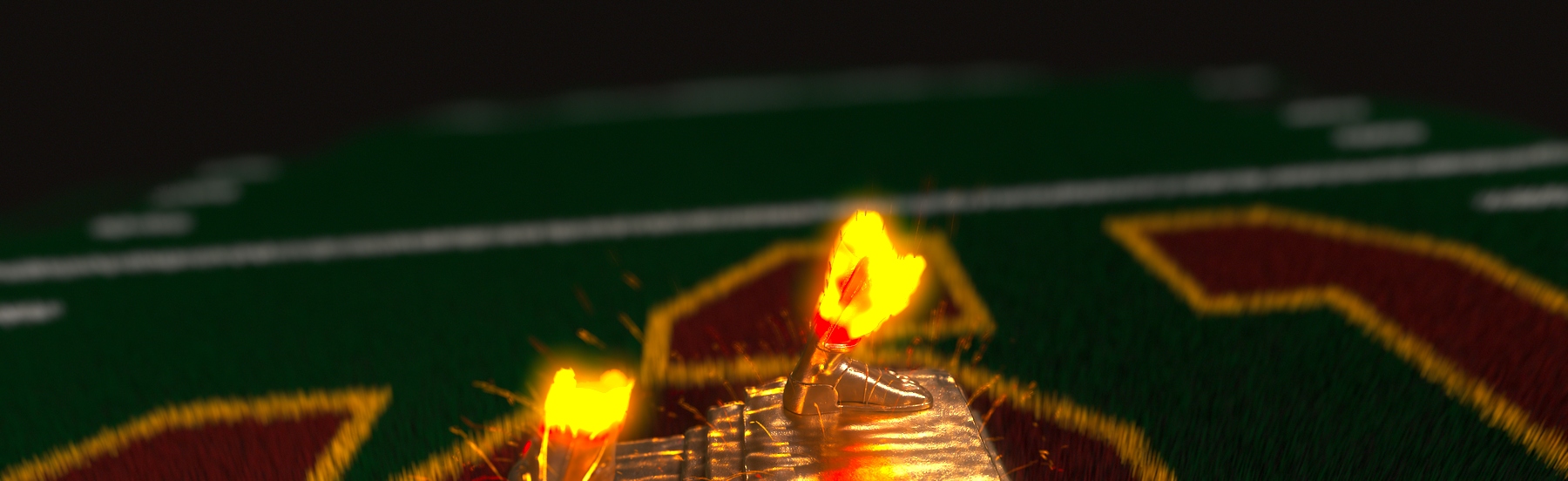
A sword strikes the field, grass erupts from the impact, Tommy Trojan burns into existence, and the camera finds the player — every cut placed on Jasper Patterson's score. Built for the Immersive Room's curved, ultrawide LED wall, a canvas more than three times wider than it is tall. The frame is composed for the room, not for a screen.
Stills
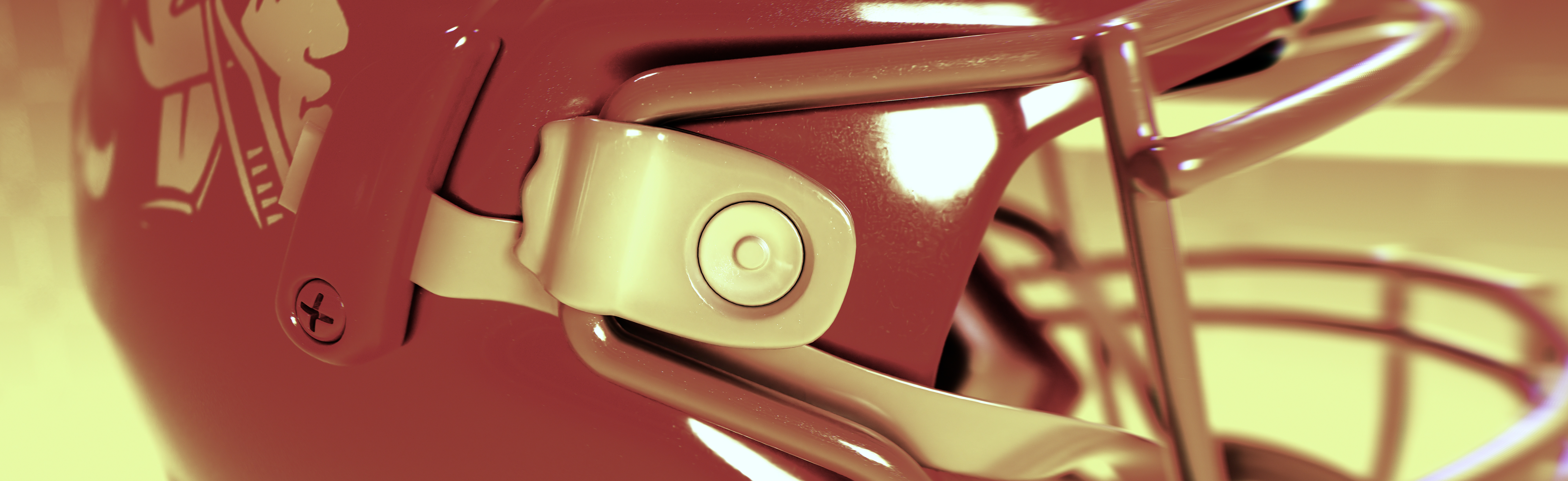
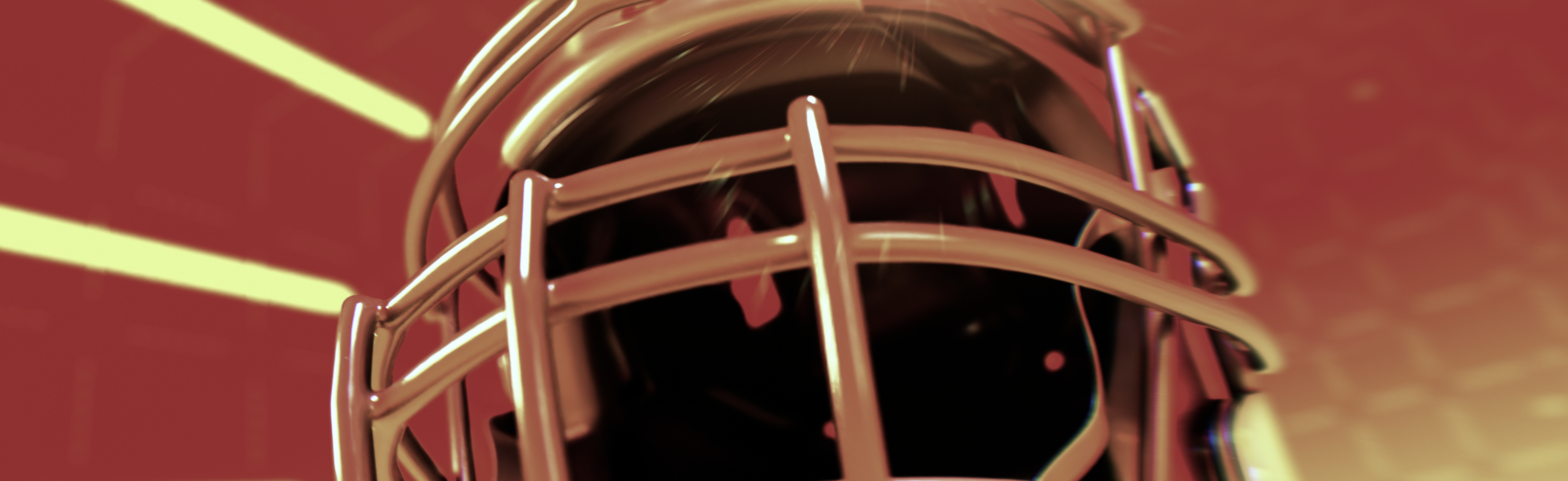
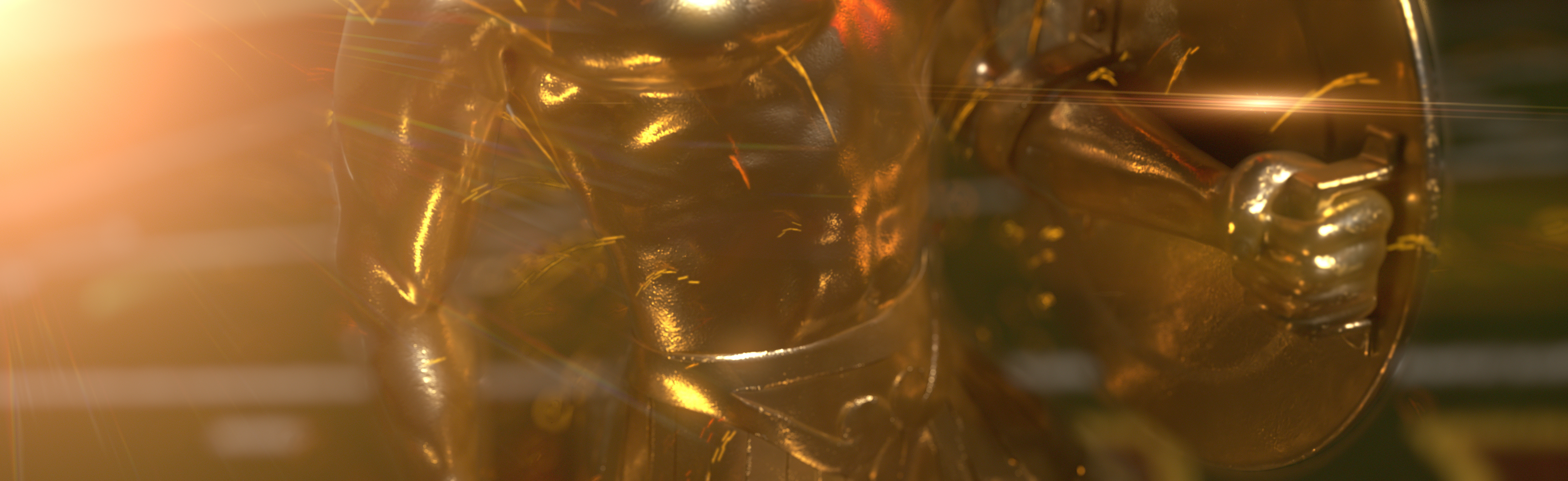
Frames from the 8000 × 2454 wall master. Select any still to open it at full resolution.



03Cut to the Music
The track is rhythmically ambiguous. Its strongest accents imply 101.33 BPM with a triplet feel; beat-detection software reads 152 straight. Both are correct — and the film uses both.
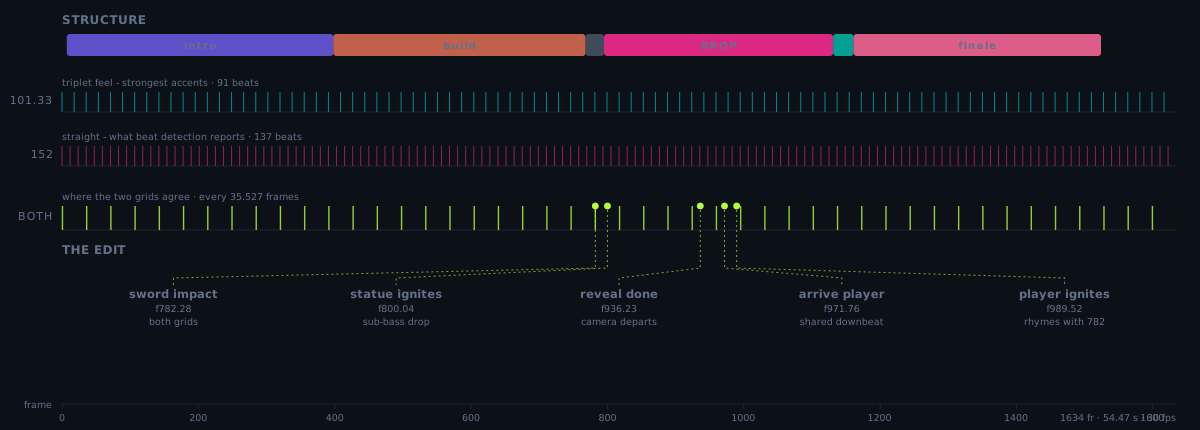
The player ignites one beat after the camera arrives: the same interval as the statue igniting one beat after the sword lands. The second event rhymes with the first.
Every camera key was then snapped to the nearest quarter-beat and a whole frame — 95 keys, none moved more than a frame. No single move is visible. Together they are why the camera feels locked to the track instead of merely near it.
04One Scene, One Hierarchy
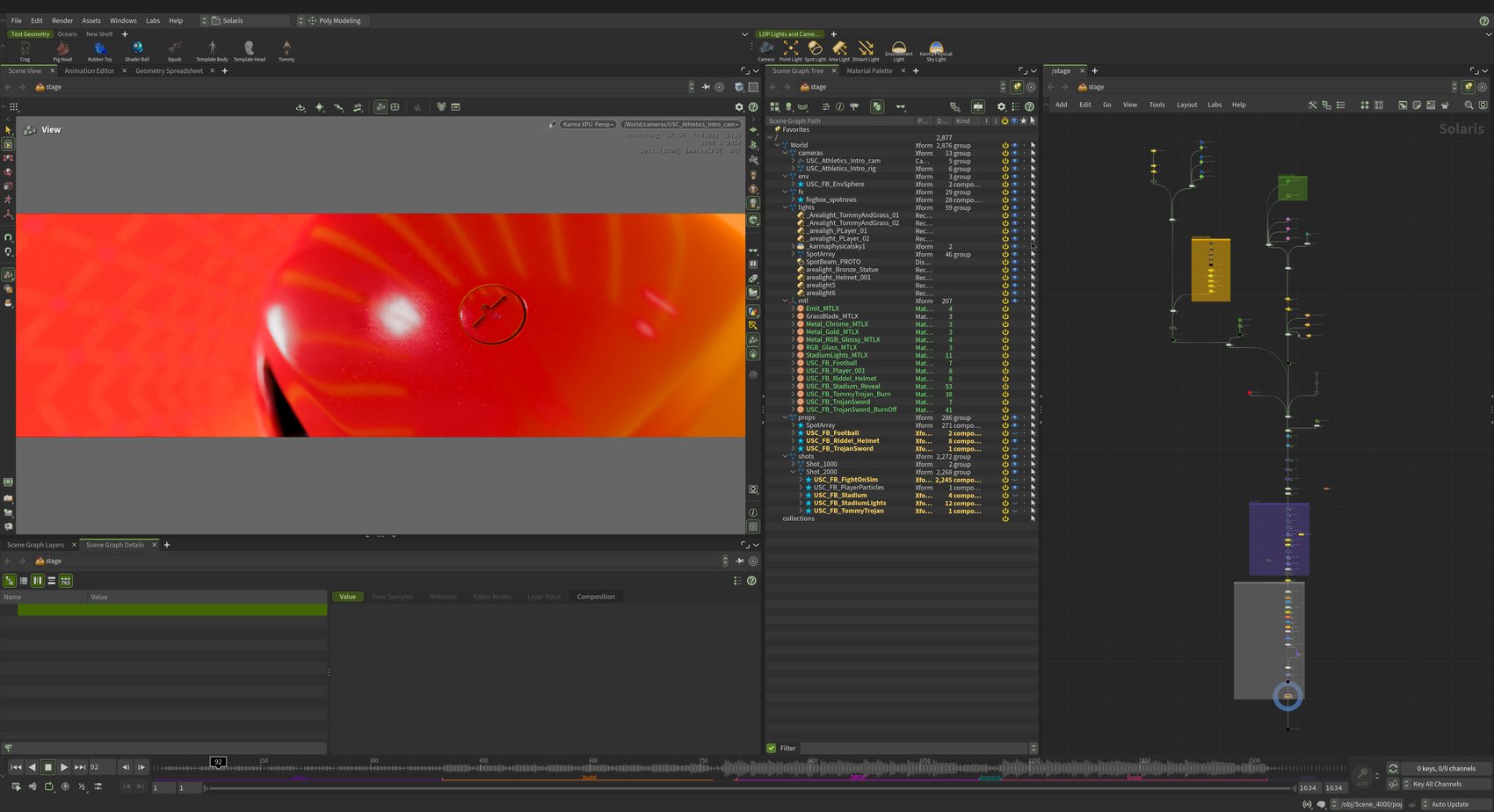
Disciplined naming is what made a fast, collaborative build possible: a scene everyone can read is a scene anyone can change safely.
05Shading the Burn
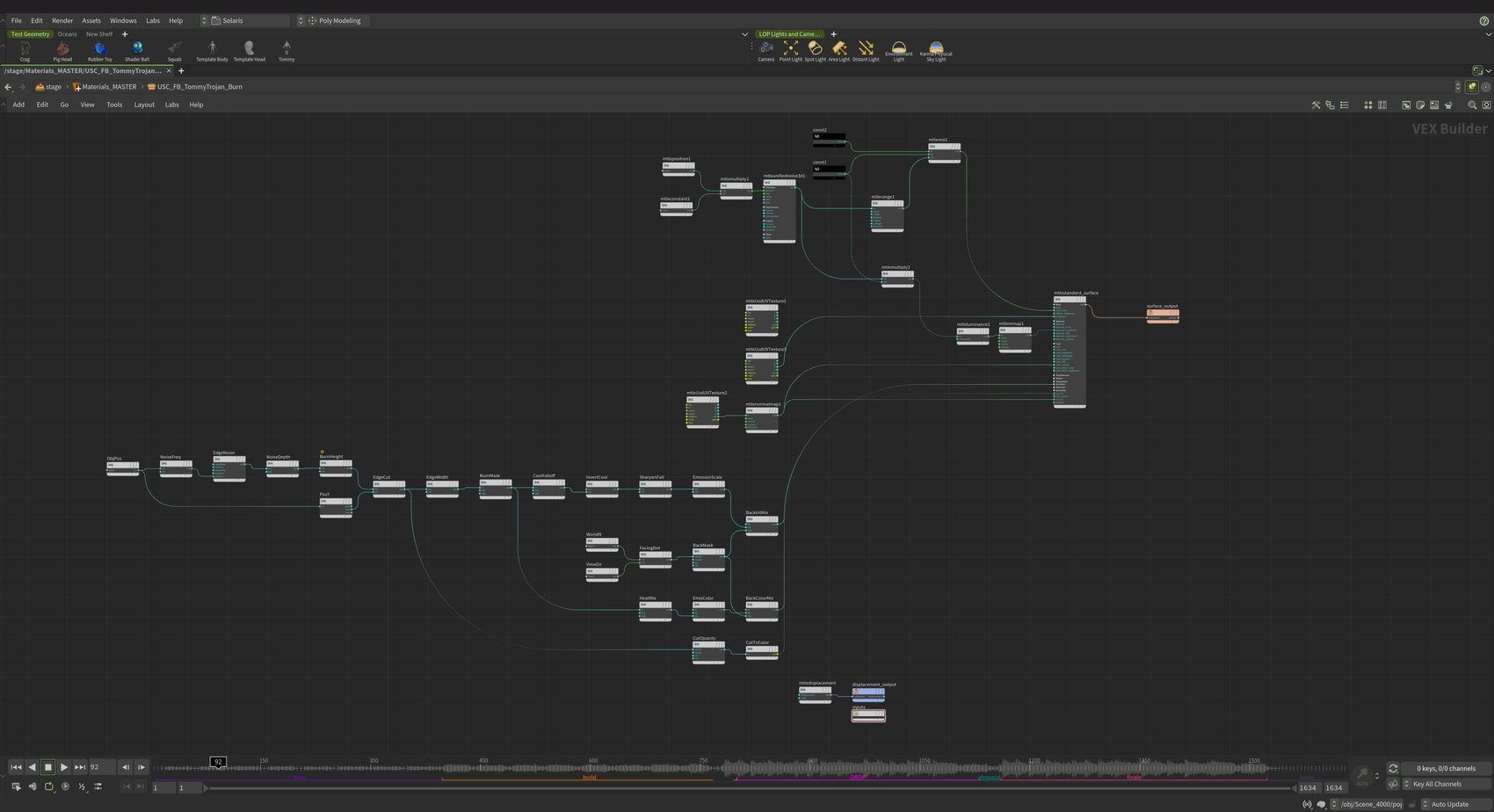
- The helmet is two-layer metal-flake paint — sparkle in the base, a smooth clear coat on top, so it glitters without looking sandy.
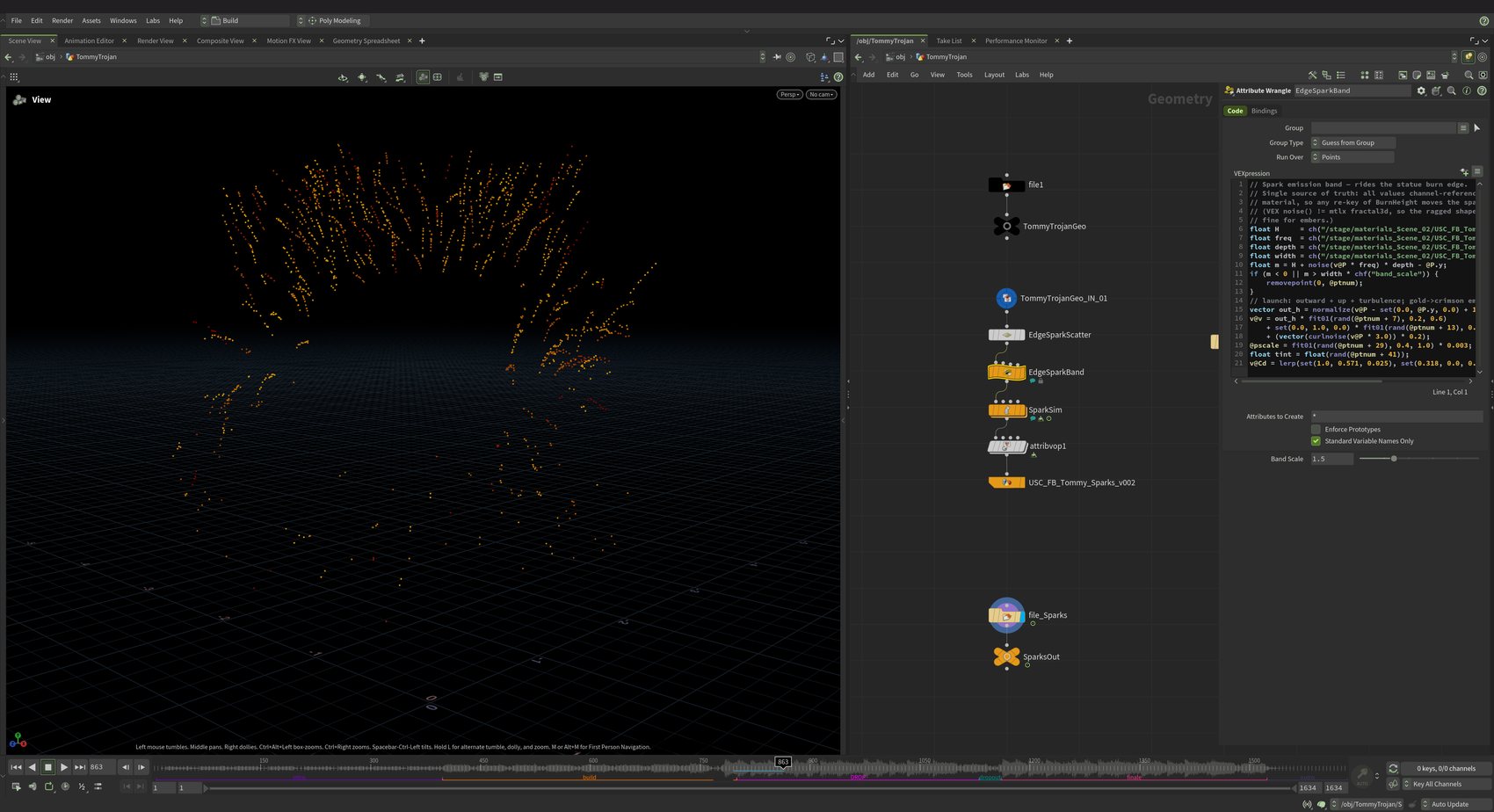
- The sparks read the shader's own parameters. One timing source drives both the burn and the particles, so they can never drift apart.
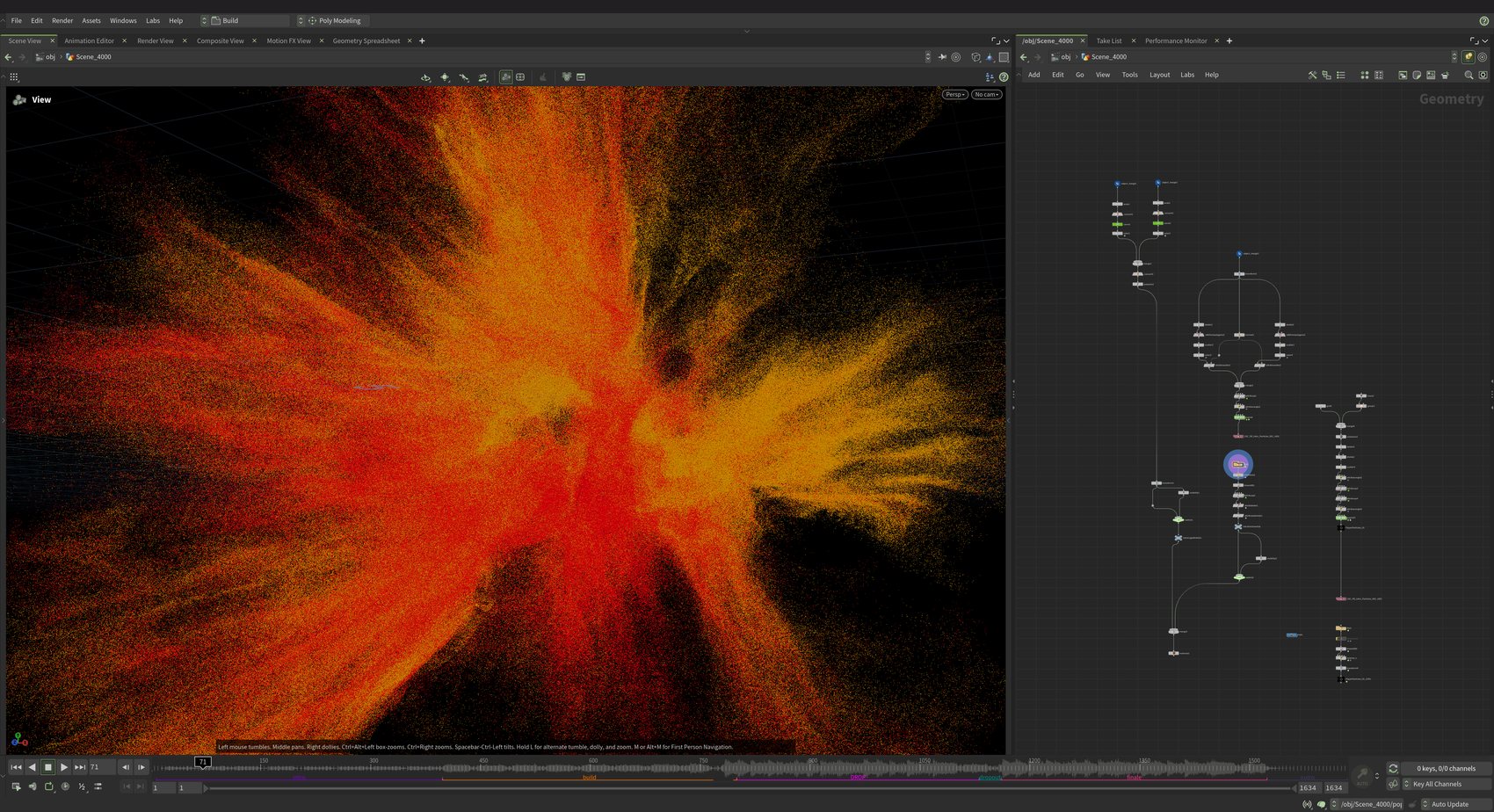
06Sparks & Grass